

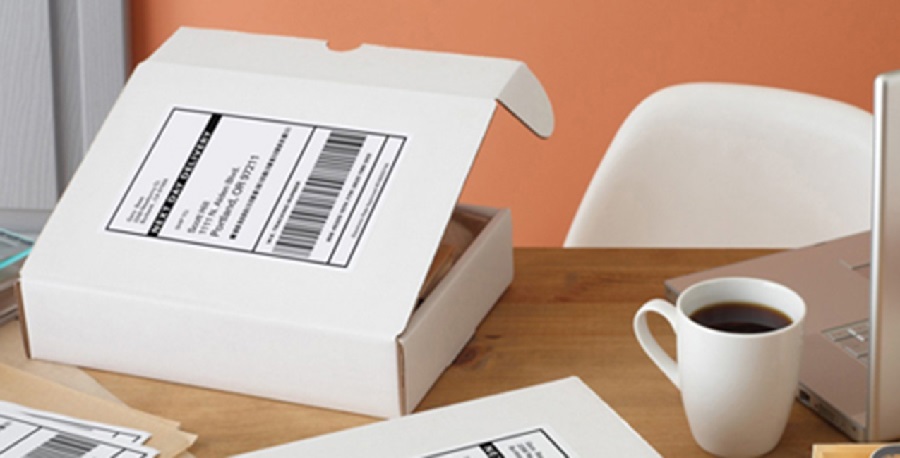
Plastics, paper, fabric, and occasionally even metals are used to make custom print label, (ใบ ปะ หน้า, which is the term in Thai). These labels include a summary of the product’s information. These labels can either be printed directly on the containers or adhered to them with adhesives.
Their Purpose
Labels are frequently used to print the recipient’s name and address form, (จ่าหน้า ซอง พัสดุ, which is the term in Thai) information below on products:
- Name of the product, Manufacturing Date, Batch, and Product ID
- Address of the factory where the item is made
- Warnings about Expiration Dates
- Worldwide Bar Codes, etc.
- For digitally produced labels, RFID data could also be present on them. It also uses Radio Frequency Identification code.
Putting The Labels On
There are several ways to apply the customized printed labels on the items or their containers. Several of them are listed below.
- Wet glue is used to attach the labels on the items after they have been coated in it.
- Additionally, little plates are produced as labels and connected to industrial equipment.
- Certain labels can be shrunk. For them to shrink and effectively connect to the object, they must first be applied and then heated.
- Labels are occasionally sewed to objects including beds, clothing, industrial sacks, and others.
- The Pressure Sensitive Adhesive kind is a novel one (PSAs). They are easily attachable with only a little push. They do not require heating.
What Material Do The Labels Have?
Label Stocks have been the containers that typically feature printing on one side and a sticky covering on the other. They may be constructed from textiles, different types of papers, foils, or films. The labels could be produced independently, on a sheet, or on a roll depending on the customer’s needs. When creating the custom printed labels, certain factors are taken into account. These qualities include transparency, resistance to tearing, suppleness, and strength. A label is constructed of foils to give it a shine or glitter if it requires shining against the container or product. Labels with a relatively strong adhesive are impossible to remove without causing damage.
Because of their extended longevity, engraved labels are occasionally utilised. The types of ink may be put on them depends on the type of material. To make the polymers more susceptible to the adhesives and inks, several processes are applied, such as flame or Corona treatment. When the interfacial tension for them decreases, this is accomplished. Labels are often pre-printed. They can occasionally be printed automatically or manually when they are being attached to the merchandise. When applied one at a time, labels are challenging to affix.
Because of this, custom printed labels are made using specialized machinery or equipment called label dispensers. Many label-making businesses now take environmental concerns into account when creating labels. That certainly is a good indicator.
