

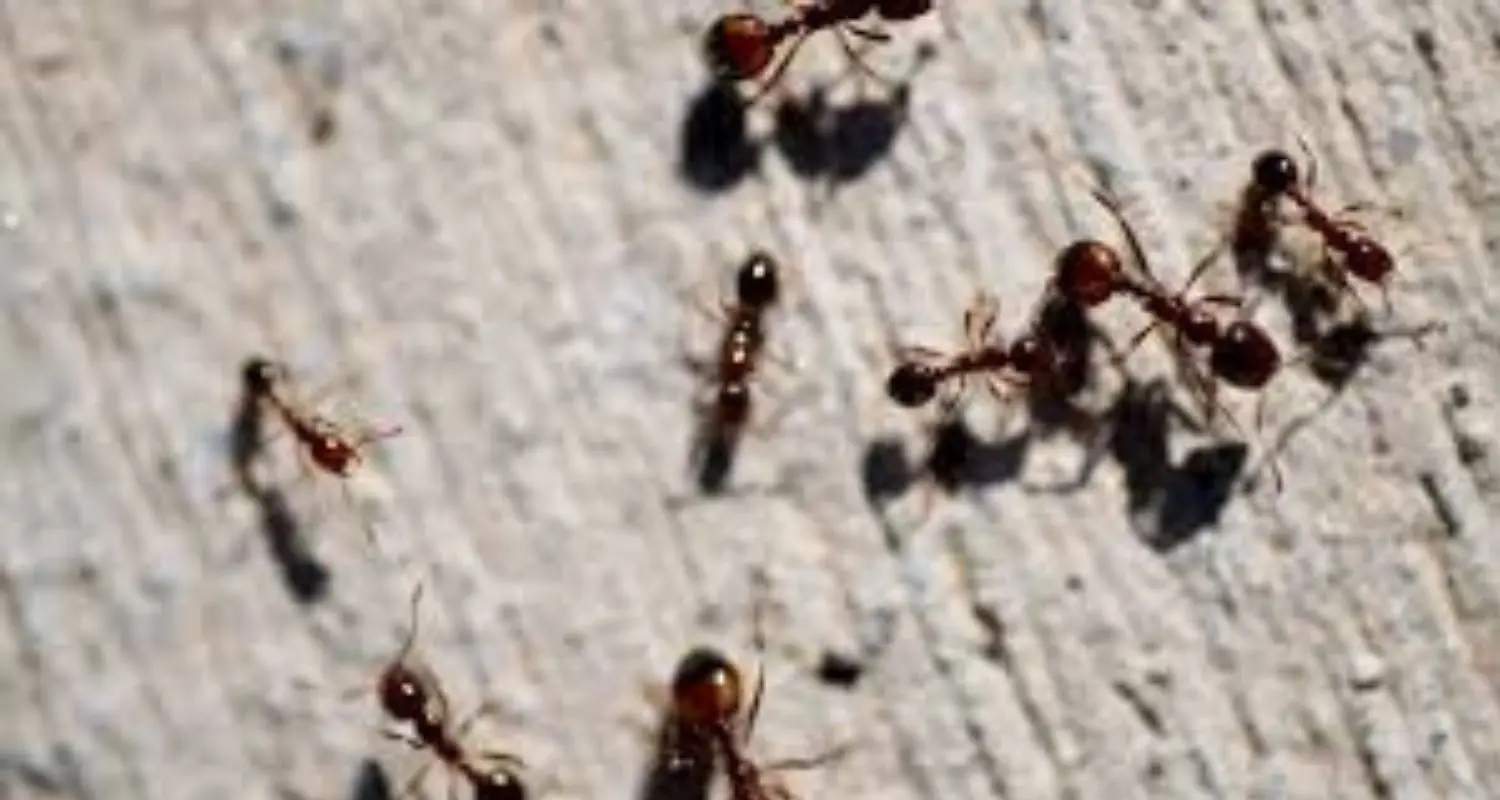
One day, you wake up to 65-degree sunshine, and by sundown, you are in the low 30s. Those wild and rapid temperature changes, one of the signature features of Front Range weather, do far more than keep your closet in disarray. They trigger a survival response in ant colonies, and there are thousands of these little intruders in your kitchen.
Pest control services get into the crevices of your home that you would never have been able to find. Make sure you speak to Centennial exterminators for help.
How Sudden Temperature Drops Disrupt Ant Colonies
Nests that are sheltered underground, with relatively constant conditions, are suddenly invaded by cold from the soil. As the colony’s keepsake, the Queen ants will release distress pheromones to initiate emergency relocation protocols. Worker ants then investigate warmer habitats, favoring structures that maintain a steady thermal profile.
With interior heating systems, your home’s foundation becomes a beacon as it warms. Pavement ants and odorous house ants, among the most common varieties in Centennial, can actually sense a temperature difference of only 2 degrees, so your toasty-warm kitchen is quite a draw when the weather outside is frightful.
Why Do Kitchens Become the First Destination for Ants?
- Heat Sources Create Irresistible Thermal Zones
Appliances such as refrigerators, ovens, and dishwashers keep kitchens warmer than the rest of the house. That 40-degree fluctuation from chilly outdoors to cozy indoors is a beacon of sorts for displaced ant colonies in Centennial’s variable climate.
- Water Access Matters More at High Altitude
Kitchens are essentially moisture factories, and ants only require steady moisture to survive. In the dry winter months of Centennial, when outdoor humidity stabilizes below 30%, indoor water sources around sinks and dishwashers are vital for colony persistence.
- Food Residue Provides Easy Colony Fuel
Even minuscule morsels of food can keep multiple ants alive for days. Studies indicate that odorous house ants can thrive on undetectable sugar residues, and that over 65,000 people live in Centennial, suggesting significant human food traffic in the area.
- Entry Points Align with Kitchen Infrastructure
There are more wall penetrations in kitchens than in any other room. Built-in highways, from outside to food-rich spaces, are made of pipes, electrical conduits, and ventilation systems.
Signs an Ant Colony Has Already Settled Inside
- Regular patterns of ant trails at the same time of day, for example, during early morning or evening hours, when the temperature contrast between outdoors and indoors is greatest
- Fine, sawdust-like, or soil piles near baseboards, cabinetry, or windowsills signal nesting behind walls and under the floor
- Tiny dark smudges on the walls or cupboards where ants have passed by again and again, depositing body oils and pheromones
- Winged ants inside the house in the spring months (March-May for Centennial), suggesting an early established colony leading to reproduction
- Detection of ant nests in surprising places, such as bathrooms, laundry rooms, or closets, and satellite nests that point to a growing colony
Why You Should Speak to a Professional Without Waiting for the Right Time
Centennial homeowners take a “wait and see” approach to ant problems, expecting the problem to go away as the weather settles down. It gives colonies time to grow exponentially; one queen can lay 800 eggs in a few weeks when conditions are perfect.
Saela Pest Control, among other companies, knows exactly which ant species call Centennial home and how their seasonal behavior changes with temperature and altitude. This is where integrated approaches come in: visible ants and hidden colonies are treated, focusing on areas homeowners typically miss around entry points. The truth is that DIY treats the symptom; pros treat the source to stop it from repeating the cycle on the next cold snap.
