

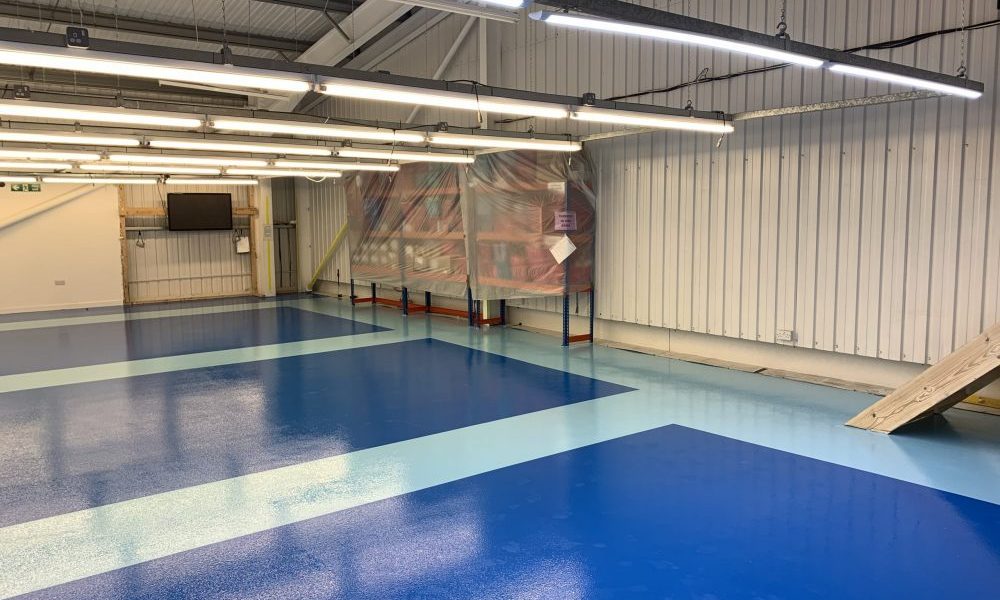
In the vast catalogue of human innovations that have reshaped our built environment, resin flooring emerges as a remarkable synthesis of chemistry and design, a material solution that mirrors nature’s own preference for seamless, integrated systems. Just as coral polyps construct vast reefs from countless individual contributions to create structures of extraordinary strength and beauty, modern resin flooring transforms liquid components into solid, continuous surfaces that serve both functional and aesthetic purposes. This flooring system, born from polymer science, represents a convergence of durability, versatility, and visual appeal that has steadily expanded its ecological niche across industrial, commercial, and residential spaces worldwide.
The Science of Synthesis
To understand resin flooring is to appreciate the elegant chemistry that underlies its creation. Synthetic resins, primarily epoxy, polyurethane, and methyl methacrylate compounds, undergo polymerisation when catalysts trigger molecular bonding. This process, not unlike the cross-linking that strengthens natural materials such as insect cuticles or plant cell walls, produces a matrix of remarkable cohesion and resilience.
The properties achieved through this molecular architecture include:
- Seamless surface continuity that eliminates joints and crevices where bacteria might colonise
- High compressive strength capable of supporting substantial loads
- Resistance to chemical degradation from acids, alkalis, and organic solvents
- Impermeability to water and other liquids
- Customisable aesthetic qualities from transparent finishes to vibrant pigmentation
In Singapore’s equatorial environment, where temperature and humidity remain consistently elevated, resin flooring has demonstrated exceptional adaptation. The material’s resistance to moisture penetration and microbial growth makes it particularly well-suited to the island nation’s climate, where conventional flooring materials often succumb to tropical conditions within years rather than decades.
Ecological Niches in Human Environments
The distribution of resin flooring across various habitat types within our constructed world reveals its adaptive versatility. In pharmaceutical and food processing facilities, where contamination control approaches the stringency of a sterile laboratory, resin flooring provides surfaces that can be thoroughly sanitised without degradation. The seamless nature eliminates the cracks and joints that harbour microorganisms, creating an environment inhospitable to bacterial colonisation.
Manufacturing and warehouse environments represent another successful habitat for resin flooring. These spaces demand surfaces capable of withstanding the mechanical stresses of heavy machinery, repetitive impact, and chemical exposure. Here, polyurethane resin flooring, with its superior flexibility and impact resistance, often proves the optimal choice, absorbing and distributing forces that would fracture more rigid materials.
The commercial sector has witnessed resin flooring colonise retail spaces, healthcare facilities, and educational institutions. In hospitals and clinics throughout Singapore, hygienic requirements make resin flooring nearly indispensable. The material’s smooth, non-porous surface resists the accumulation of pathogens whilst facilitating rapid, effective cleaning protocols essential to infection control.
The Installation Process
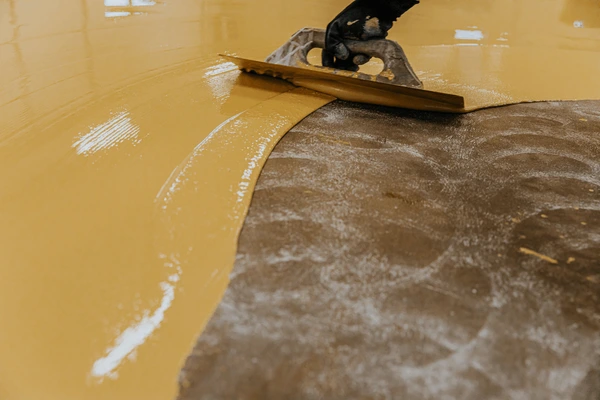
The transformation of a prepared substrate into finished resin flooring follows a sequence as precise as any biological development. Surface preparation, the critical first stage, requires meticulous attention. Concrete substrates must be mechanically prepared to open pores and ensure adequate adhesion. Any contamination, moisture, or structural defects can compromise the entire system, much as a single genetic mutation might disrupt an organism’s development.
Application methodology varies according to the specific resin system selected. Self-levelling compounds flow and distribute under their own weight, seeking equilibrium across the surface like water finding its level. Trowel-applied systems require skilled manual placement, building thickness in layers. Each method demands consideration of ambient conditions, particularly temperature and humidity, which profoundly influence curing kinetics.
Aesthetic Diversity and Function
The visual possibilities of resin flooring demonstrate remarkable diversity, rivalling the colour variations found in natural systems. Clear resin formulations showcase underlying substrates, whilst pigmented versions span the visible spectrum. Decorative aggregates, metallic additives, and colour flakes can be incorporated to create patterns reminiscent of terrazzo or natural stone.
This aesthetic flexibility need not compromise function. Anti-slip aggregates incorporated into the surface layer provide enhanced traction in areas where moisture presents a hazard. Conductive resin flooring variants protect sensitive electronic equipment from static discharge in manufacturing environments. The material adapts to specific environmental pressures whilst maintaining its core protective qualities.
Longevity and Sustainability
From an ecological perspective, the longevity of resin flooring represents a form of resource efficiency. Well-installed systems in Singapore’s commercial facilities routinely provide 20 to 25 years of service before requiring renewal. This extended lifespan reduces the material throughput and waste generation associated with shorter-lived flooring alternatives.
Maintenance requirements remain minimal throughout this service life. Regular cleaning with appropriate agents maintains appearance and hygiene without degrading the surface. Unlike porous materials that absorb spills and harbour contaminants, resin flooring resists penetration, simplifying cleaning protocols and reducing the chemical burden required for maintenance.
Conclusion
The success of resin flooring across diverse applications reflects fundamental principles observed throughout nature: materials that integrate seamlessly, resist environmental stresses, and adapt to varied conditions ultimately prevail. From Singapore’s humid tropics to temperate industrial zones, this flooring technology continues to expand its range, serving human needs for durable, hygienic, and aesthetically pleasing surfaces. As we continue to refine our built environments, seeking solutions that balance performance with sustainability, the evolution of resin flooring stands as testament to chemistry’s capacity to create materials of enduring value and remarkable versatility.
